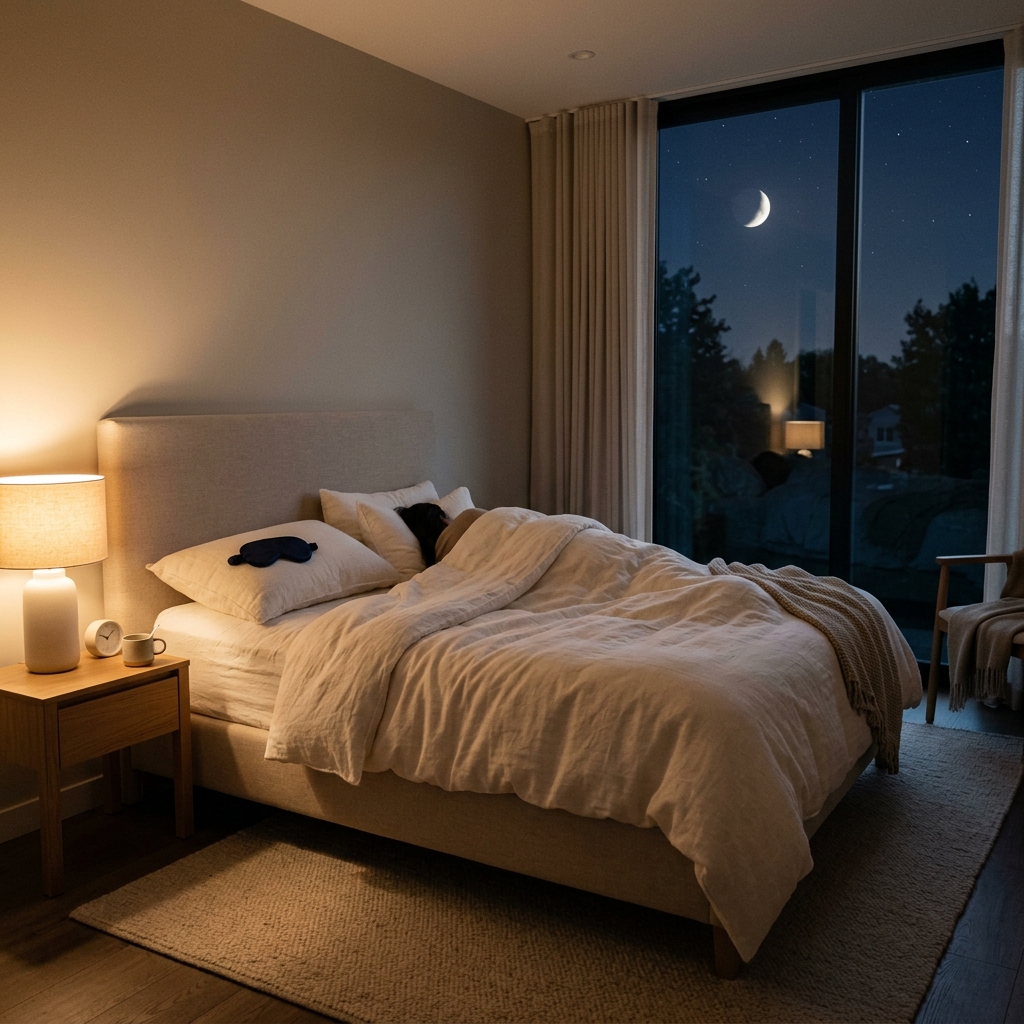
In fitness culture, immense attention is paid to progressive overload, macro ratios, pre-workout stimulants, and cutting protocols. Yet, the most potent natural performance-enhancing factor in human physiology is entirely free: high-quality, restorative sleep.
When you train hard, you do not build muscle in the gym; you induce micro-trauma and mechanical fatigue. True muscular adaptation, protein synthesis, and central nervous system regeneration occur almost exclusively during deep sleep. In this comprehensive review, we examine the hormonal consequences of accumulated Sleep Debt and provide an evidence-based roadmap for athletic recovery.
1. Sleep Architecture: Slow-Wave Sleep vs. REM
A typical 90-minute sleep cycle alternates through distinct non-rapid eye movement (NREM) and rapid eye movement (REM) stages. For strength athletes, lifters, and runners, the two most critical stages are:
- NREM Stage 3 (Slow-Wave Delta Sleep): The deep restorative phase of physical recovery. Arterial blood pressure drops, breathing slows, blood flow to skeletal muscles surges, and damaged muscle fibers undergo repair.
- REM Sleep (Rapid Eye Movement): The neurological phase of memory consolidation, motor skill acquisition, and autonomic recovery. REM sleep solidifies the neural firing pathways established during complex technical movements (such as Olympic lifts, squats, and running strides).
2. The Nocturnal Endocrine Cascade: Growth Hormone and Testosterone
Your endocrine system synchronizes its most powerful anabolic pulses with your circadian sleep cycle:
- Human Growth Hormone (HGH): Approximately 70% to 80% of your body's total daily pulsatile HGH secretion occurs during Slow-Wave Sleep. HGH stimulates cellular repair, accelerates collagen synthesis in tendons and ligaments, and promotes the mobilization of fatty acids. Chronic short sleep (under 6 hours) truncates these deep cycles, blunting natural HGH output.
- Testosterone Production: In healthy young men, a landmark University of Chicago study demonstrated that restricting sleep to 5 hours per night for just one week reduced daytime testosterone levels by 10% to 15%—an endocrine decline equivalent to aging 10 to 15 years biologically.
- The Cortisol Spike: Sleep deprivation elevates evening cortisol concentrations by 37% to 45%. Chronic hypercortisolemia promotes muscle protein breakdown (proteolysis) while simultaneously suppressing thyroid and immune function.
Assess how your current sleep habits support your training using our Sleep Recovery Score Calculator.
3. The Landmark Calorie-Dieting Sleep Study
One of the most striking findings in clinical exercise physiology comes from a study by Nedeltcheva et al. published in the Annals of Internal Medicine. Researchers placed overweight participants on an identical calorie deficit under two conditions:
- Condition A (8.5 Hours of Sleep): Participants lost weight, with over 50% of weight lost coming from body fat and lean mass preserved.
- Condition B (5.5 Hours of Sleep): On the exact same caloric intake, the proportion of weight lost shifted drastically: 80% of lost weight came from lean tissue (muscle mass), and fat loss dropped by more than half!
In short: sleep deprivation turns a successful fat loss diet into a muscle-wasting cycle. Even with perfect training and nutrition, insufficient sleep sabotages body composition.
4. Quantifying Sleep Debt: The Compounding Cost
Sleep Debt is the cumulative difference between the amount of sleep your body physiologically requires (typically 7.5 to 9 hours for active trainees) and the amount you actually obtain over a rolling 7- to 14-day window.
Sleep debt acts like high-interest financial debt. Missing just 1.5 hours of sleep each night creates over 10 hours of accumulated sleep deficit across a single week. This debt impairs reaction time, elevates perceived exertion (RPE) during lifts, lowers maximum force output, and dramatically increases the risk of acute soft-tissue injuries.
Quantify your accumulated shortfall and calculate your recommended catch-up schedule with our Sleep Debt Calculator.
5. The 5 Evidence-Based Sleep Optimization Protocols for Lifters
To maximize sleep architecture and athletic recovery, implement these evidence-based protocols:
- Maintain Circadian Regularity: Anchor your wake-up time within a 30-minute window 7 days a week. Consistent wake times entrain your master suprachiasmatic nucleus (SCN) circadian clock, optimizing nocturnal melatonin release.
- Enforce a Caffeine Curfew: Caffeine has a half-life of 5 to 7 hours and a quarter-life of up to 12 hours. Consuming caffeine past 2:00 PM significantly reduces Slow-Wave Delta sleep, even if you fall asleep without difficulty.
- Thermoregulatory Cooling: Human core body temperature must drop by 1 to 2°F (0.5 to 1°C) to initiate and sustain deep sleep. Keep your bedroom cool (ideally 65–68°F / 18–20°C).
- Dim Evening Blue Light Exposure: Blue wavelengths (450–480 nm) emitted by smartphones, laptops, and overhead LEDs suppress melatonin secretion. Use blue-blocking filters or switch to dim ambient lighting 90 minutes before bed.
- Strategic Sleep Extension (Catch-Up Sleep): When sleep debt accumulates, extend your weekend sleep by 60 to 90 minutes or take a 20- to 30-minute afternoon nap between 1:00 PM and 3:00 PM to clear adenosine buildup without disrupting nocturnal sleep pressure.
Evaluate your muscular recovery between hard lifting blocks with the Muscle Recovery Calculator, spot early burnout using the Overtraining Score Calculator, and program strategic rest with the Deload Calculator.